Best Vegetables to Grow in New Jersey (Beginner-Friendly Guide)
If you’re new to gardening in New Jersey, choosing the right vegetables can make the difference between a frustrating season and a rewarding one. NJ’s climate, soil variety, and growing season are actually very forgiving — if you start with the right plants.
This guide focuses on beginner-friendly vegetables that grow well across most parts of New Jersey, tolerate common mistakes, and produce reliable harvests.
What Makes a Vegetable “Easy” in New Jersey?
Beginner-friendly vegetables typically:
- Tolerate temperature swings
- Grow well in NJ soil types
- Don’t require constant maintenance
- Mature quickly
- Recover from minor pest or weather damage
If you’re just starting out, these vegetables give you early wins and confidence.
1. Tomatoes
Tomatoes are the most popular garden vegetable in New Jersey — and for good reason.
Why they’re great for beginners:
- Thrive in NJ summers
- High yield
- Many disease-resistant varieties available
Planting tips:
- Transplant after the last frost
- Full sun (6–8 hours)
- Stake or cage early
2. Zucchini & Summer Squash
These plants grow fast and produce heavily.
Why beginners love them:
- Very forgiving
- Quick harvests
- Minimal care once established
Watch out for:
- Overproduction (you’ll have plenty)
- Squash vine borers later in the season
3. Green Beans
Bush beans are especially easy.
Why they work well in NJ:
- Fast-growing
- Improve soil health
- Great for raised beds
Planting tips:
- Direct sow after frost
- Harvest frequently for best production
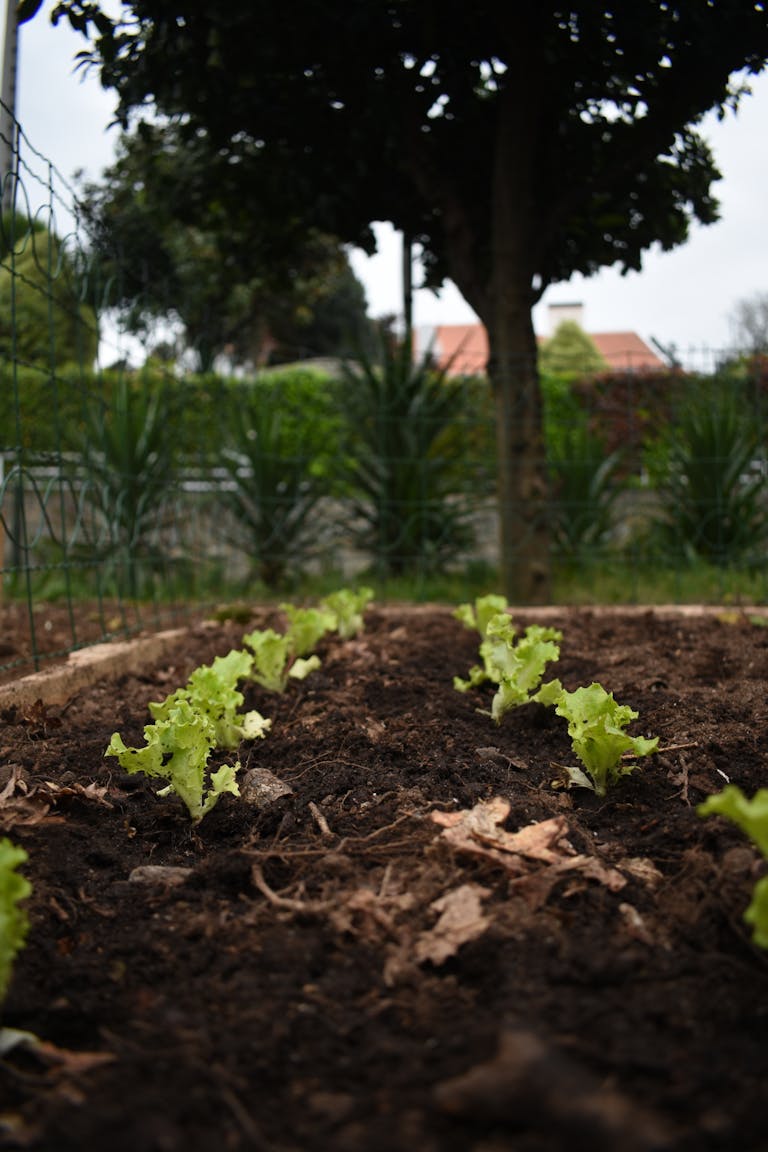
4. Lettuce
Perfect for spring and fall gardens.
Why lettuce is beginner-friendly:
- Grows quickly
- Can be harvested multiple times
- Works in containers or beds
Tip:
- Plant every 2–3 weeks for continuous harvest
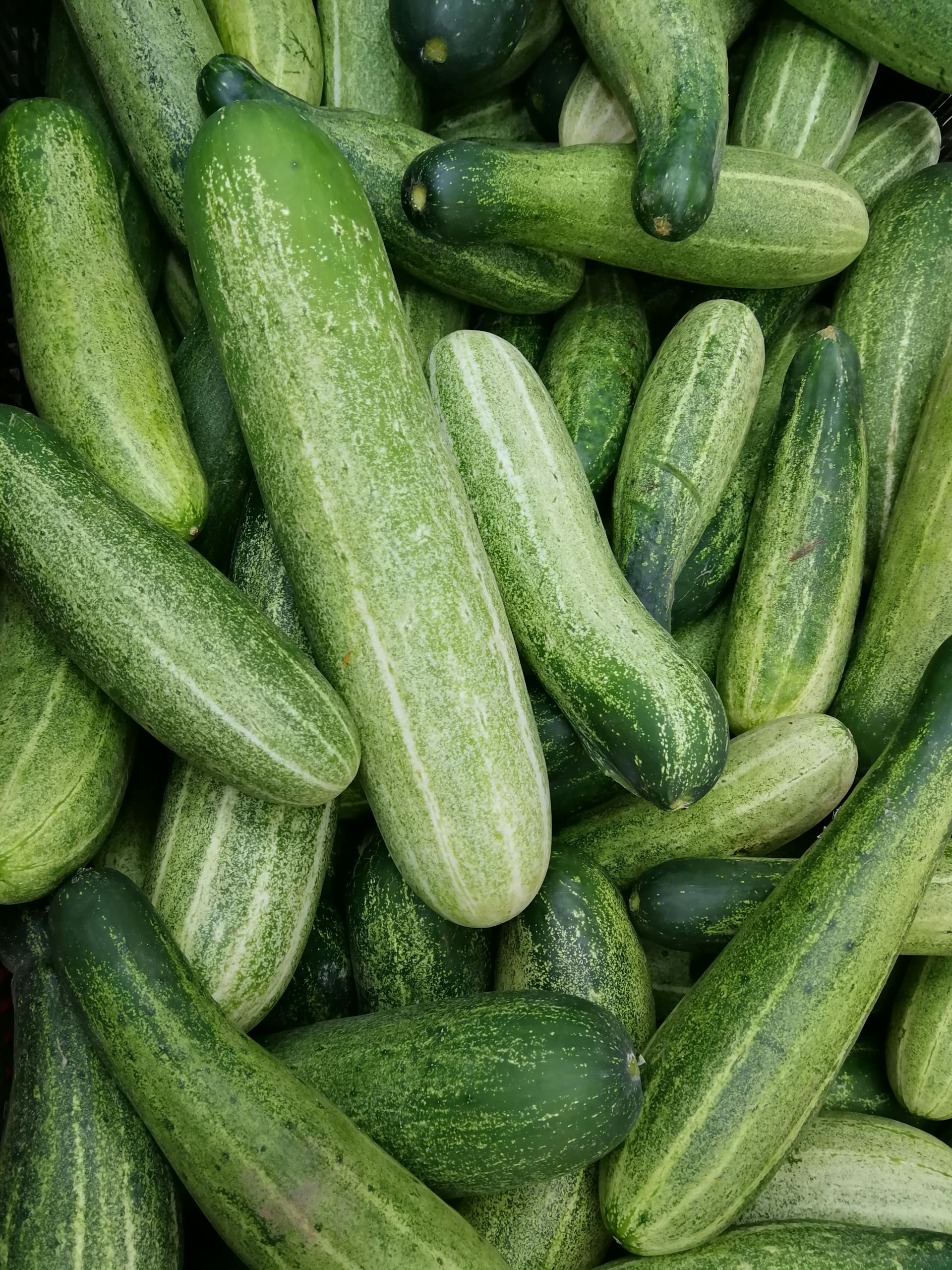
5. Cucumbers
Cucumbers thrive in New Jersey heat.
Why beginners succeed:
- Vigorous growth
- Productive plants
- Great for trellising
Planting tips:
- Warm soil is key
- Provide consistent watering
6. Peppers
Bell and hot peppers grow well across the state.
Why they’re a good choice:
- Compact plants
- Productive in warm summers
- Great for containers
Tip:
- Don’t rush planting — peppers love warmth
7. Kale
One of the most reliable leafy greens in NJ.
Why it’s easy:
- Cold-hardy
- Pest-resistant
- Tastes better after light frost
Bonus:
- Excellent fall crop
8. Carrots
Carrots do surprisingly well in NJ with loose soil.
Why beginners can succeed:
- Direct sow
- Long harvest window
- Few disease issues
Tip:
- Loosen soil deeply before planting
9. Radishes
Perfect for instant gratification.
Why they’re ideal for beginners:
- Ready in 3–4 weeks
- Cool-weather tolerant
- Great for kids and first-time gardeners
10. Herbs (Basil, Parsley, Chives)
Herbs are often overlooked — but they’re some of the easiest plants to grow.
Why they’re beginner-friendly:
- Grow in small spaces
- High value
- Low maintenance
Best choices for NJ:
- Basil (summer)
- Parsley (spring/fall)
- Chives (perennial)
Wildlife Considerations in New Jersey Gardens
Many New Jersey gardeners experience issues with deer, rabbits, and other wildlife — especially when plants are young.
Common solutions include:
- Fencing
- Repellents
- Netting
- Professional deer repellent services in high-pressure areas
Protecting plants early often makes the biggest difference.
Start Small & Build Confidence
You don’t need a huge garden to succeed. Starting with just 5–6 of these vegetables allows you to learn NJ’s growing patterns without feeling overwhelmed.
Once you’re comfortable, you can expand into:
- Root crops
- Cool-season succession planting
- Fall gardens
- Specialty varieties
Final Thoughts
New Jersey is an excellent place to grow vegetables, especially for beginners. By choosing crops that match the climate and soil, you’ll enjoy better harvests and fewer headaches.
Pair this guide with a planting calendar and frost date reference to get the most out of your garden.